
Dehumidifiers
Dehumidifiers are a simple way to make your home feel fresher and more comfortable by cutting the humidity that can cause musty smells and mould. They work quietly in bedrooms, bathrooms or utility rooms to protect walls, fabrics and belongings while improving air quality, and they’re easier to place than larger fixed systems. In spaces that need faster ventilation you can combine them with extractor fans to remove damp air at source, or choose from hybrid options that blend dehumidifier air conditioners for both moisture control and gentle cooling when the weather warms up. Practical, portable and easy to use, a dehumidifier for home is handy all year round.



Showing 53 of 845 products
Ideas & Advice


By Type
Choosing the right dehumidifier type can make a huge difference to how well you manage moisture, condensation and long‑term damp in your home. Each type offers its own benefits, making it easier to pick a humidity controller that fits the room conditions and your daily needs. For example, desiccant dehumidifiers work particularly well in cooler environments such as unheated bedrooms, garages or loft spaces, where consistent performance is needed regardless of the ambient temperature. These models also help maintain fresher air by reducing hidden moisture that can build up behind furniture or in corners.
If you’re looking for a simple, low‑maintenance option, disposable dehumidifiers provide a fuss‑free way to reduce humidity in compact areas such as cupboards, wardrobes and utility rooms. They’re a great choice for preventing musty smells in enclosed storage spaces. Meanwhile, households who regularly dry clothes indoors can make a real difference with a laundry dehumidifier. These air dryers help speed up drying times and reduce condensation on windows and walls, making them especially useful during colder months. For maximum flexibility, a portable dehumidifier allows you to move your moisture remover from room to room depending on where damp is forming. And in smaller spaces, a mini portable dehumidifier offers discreet, lightweight humidity control. Together, these options make it easier to match the right type of dehumidifier to your home’s unique conditions.
By Brand
Exploring dehumidifiers by brand is a great way to find the combination of performance, durability and design that suits your household. Many shoppers look first to a Pro Breeze dehumidifier thanks to its strong reputation for efficient moisture removal and excellent value. These models are particularly popular for handling everyday condensation and maintaining comfortable humidity levels in living areas. For those who prefer long‑established names in moisture absorption, a UniBond dehumidifier provides dependable, easy‑to‑use damp absorbers ideal for smaller rooms and ongoing light moisture control.
If you’re looking for energy‑efficient and whisper‑quiet humidity control, a Meaco dehumidifier stands out for its high performance and quiet running, especially in bedrooms and living rooms. Families often turn to brands like a Honeywell dehumidifier and a Russell Hobbs dehumidifier for long‑lasting build quality and intuitive controls. These models offer reliable damp prevention across a range of room sizes. Those who prefer compact, stylish designs may gravitate toward a Blyss dehumidifier, a VonHaus dehumidifier or a Belaco dehumidifier, which offer user‑friendly moisture removers for smaller homes and apartments. More advanced features can be found in ranges from a Black + Decker dehumidifier and a Devola dehumidifier, where intelligent sensors and higher extraction rates help manage more stubborn damp issues. For quieter nightly comfort, a Silentnight dehumidifier offers gentle, low‑noise humidity controllers that are ideal for light sleepers. With so many reputable brands available, it's easy to compare performance, capacity and value to find a dehumidifier that suits your home’s needs.
By Size
Selecting a dehumidifier by size helps ensure efficient moisture control tailored to the rooms in your home. Smaller areas like bathrooms, en‑suites, walk‑in wardrobes or compact utility spaces typically benefit from a mini dehumidifier. These compact units offer discreet humidity control and are ideal for preventing musty smells, reducing condensation on mirrors and tackling small patches of damp. Their lightweight design makes them a practical choice for rooms where you need targeted moisture removal without taking up valuable space.
If you’re dealing with everyday condensation in bedrooms, kitchens or medium-sized living areas, a small dehumidifier usually provides the perfect balance of power and portability. These units help maintain comfortable humidity levels, reduce mould growth and create a fresher indoor environment. They also work well for keeping laundry areas dry, especially when paired with indoor clothes drying. For larger rooms, open‑plan layouts or spaces with persistent damp problems, a large dehumidifier delivers the higher extraction rate necessary to effectively manage humidity. These bigger models are ideal for maintaining healthy moisture levels across multiple rooms, helping to protect your home from long‑term damp damage. Whether you’re preventing condensation on windows or controlling humidity in high‑use family spaces, choosing the right size ensures your dehumidifier performs efficiently and lasts longer.
By Room
Every room in your home can experience moisture differently, so choosing a dehumidifier by room helps you manage damp and humidity in the most effective way. For general household environments such as living rooms, hallways, home offices or multipurpose spaces, any room dehumidifiers provide flexible and reliable moisture control. These models help reduce condensation on windows, limit damp buildup on walls and maintain comfortable humidity levels throughout the day. In bedrooms, where quiet operation and consistent comfort matter most, bedroom dehumidifiers offer gentle, low‑noise performance while helping prevent mould, stale odours and overnight condensation. A dedicated bedroom dehumidifier can make the air feel fresher and more comfortable, especially in homes that experience damp during colder months.
Bathrooms often face the highest humidity levels due to daily showers and steam. A bathroom dehumidifier helps reduce moisture on tiles and mirrors, prevents mildew forming on grout and keeps the space fresher for longer. In areas where damp becomes persistent, a dehumidifier for mould can help maintain a cleaner, healthier environment by reducing excess moisture that contributes to mould growth. Similarly, a dehumidifier for condensation is useful in preventing water droplets forming on cold surfaces, protecting paintwork and furnishings from long‑term damage. For everyday living spaces that simply need steady humidity control, a home dehumidifier provides balanced moisture regulation throughout the day. And when you want an option suitable for most indoor spaces, a general dehumidifier for room use helps create a more comfortable, dry atmosphere across the home. Tailoring your choice by room ensures long‑lasting protection from damp and helps maintain a healthier indoor environment year‑round.
FAQs
How long should I run a dehumidifier each day?
Most homes benefit from running a dehumidifier for several hours a day, especially during colder months or when moisture levels feel high. Many modern models include auto-humidity sensors, allowing the unit to operate only when needed. As a general guide, running it for 6–8 hours helps maintain healthy humidity without wasting energy. If you’re drying clothes indoors, using the laundry mode for a few hours can noticeably speed up drying and reduce condensation.
Where should I place a dehumidifier for best results?
Place your dehumidifier in the area with the highest moisture—for example, a bedroom with condensation, a damp bathroom, or a cool hallway. Ensure there’s good airflow around the unit by keeping it a few inches from walls or furniture. Avoid placing it near heat sources or blocking the intake. For whole-room drying, positioning it centrally works well, while smaller rooms benefit from having it placed near common damp spots like windows or corners.
Can a dehumidifier help reduce mould?
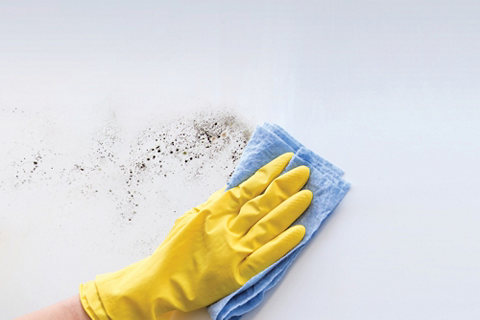
Yes. Mould thrives in damp, humid environments, so reducing moisture levels prevents it from spreading. A dehumidifier lowers humidity to a point where mould struggles to grow, helping protect walls, windows and furniture. While it can’t remove mould already present, it prevents it from returning after cleaning. Using a dehumidifier daily in problem areas—like bathrooms, bedrooms or utility rooms—creates a drier, healthier environment and helps reduce musty smells caused by excess moisture.
Will a dehumidifier help with condensation on windows?
A dehumidifier is one of the most effective ways to reduce condensation. When indoor air contains too much moisture, it settles on cold surfaces like windows. Running a dehumidifier lowers humidity, preventing water droplets from forming. This helps protect window frames, reduces damp patches and improves comfort during colder months. Using it in bedrooms overnight or in living spaces during the evening often leads to noticeable improvements within a few days.
Can a dehumidifier dry clothes indoors?
Yes, especially if your unit includes a dedicated laundry mode. A dehumidifier helps pull moisture from wet laundry, speeding up drying times and reducing condensation caused by indoor clothes airers. Place the dehumidifier near your drying rack in a closed room for best results. It’s far more energy‑efficient than using a heated airer or tumble dryer and helps prevent damp smells or mould forming on walls during winter.
What size dehumidifier do I need for my room?
The right size depends on room dimensions and how damp the space feels. Small rooms like bathrooms or walk-in wardrobes typically need mini or compact units. Bedrooms, kitchens or medium-sized living areas work well with a 10–12L model. For large or open-plan rooms, a higher-capacity unit (15–20L or more) is recommended to keep humidity under control. Choosing the correct size ensures faster moisture removal and more efficient long-term performance.
Are dehumidifiers expensive to run?
Most modern dehumidifiers are designed to be energy‑efficient, especially compressor models used in warmer rooms. Their running cost depends on wattage, room temperature and how long the unit operates. Many feature smart sensors that switch the unit off once the desired humidity is reached, helping reduce electricity use. In most homes, running a dehumidifier costs less than using electric heaters or tumble dryers—and often improves heating efficiency by removing damp air.
Choosing the right dehumidifier type can make a huge difference to how well you manage moisture, condensation and long‑term damp in your home. Each type offers its own benefits, making it easier to pick a humidity controller that fits the room conditions and your daily needs. For example, desiccant dehumidifiers work particularly well in cooler environments such as unheated bedrooms, garages or loft spaces, where consistent performance is needed regardless of the ambient temperature. These models also help maintain fresher air by reducing hidden moisture that can build up behind furniture or in corners.
If you’re looking for a simple, low‑maintenance option, disposable dehumidifiers provide a fuss‑free way to reduce humidity in compact areas such as cupboards, wardrobes and utility rooms. They’re a great choice for preventing musty smells in enclosed storage spaces. Meanwhile, households who regularly dry clothes indoors can make a real difference with a laundry dehumidifier. These air dryers help speed up drying times and reduce condensation on windows and walls, making them especially useful during colder months. For maximum flexibility, a portable dehumidifier allows you to move your moisture remover from room to room depending on where damp is forming. And in smaller spaces, a mini portable dehumidifier offers discreet, lightweight humidity control. Together, these options make it easier to match the right type of dehumidifier to your home’s unique conditions.