
Plasterboard
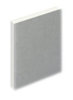
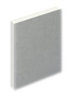
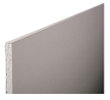
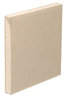
Plasterboard, also called drywall or wallboard, enables quick installation of walls, partitions and ceilings, offering DIYers a fairly simple project. Our range includes various types of plaster board to suit every location requirement and what will be put on top once installed. From thin plasterboard to thick and insulated options, we host a collection of plasterboard sheets to suit any project needs. As well as this, our selection is available in different plasterboard sizes, so you can choose from a wide selection of plasterboards available via our bulk delivery service in a size and quantity to suit your project.


Showing 48 of 76 products
Ideas & Advice


By Type
Drywall comes in a variety of types, each designed to meet specific construction and renovation requirements. Standard plasterboard is the most commonly used option for walls and ceilings, offering a smooth, paintable surface suitable for general living spaces. In areas with higher humidity, such as bathrooms and kitchens, moisture resistant plasterboard is ideal, helping to protect against damp and mould while maintaining a durable finish. Acoustic plasterboard is designed to reduce noise transfer between rooms, making it perfect for bedrooms, offices, or home cinemas.
Where fire safety is a concern, fire plasterboard provides extra protection, slowing the spread of flames in critical areas such as stairwells, kitchens, and around heating appliances. For DIY projects or smaller renovations, Handiboard plasterboard is lightweight and easy to handle, offering the same smooth finish as larger boards but with greater flexibility and convenience. Trusted brands like Gyproc plasterboard and Knauf plasterboard offer a range of high-quality boards in all these types, ensuring consistent strength, performance, and finish. Selecting the right type of plasterboard, along with a reputable brand, ensures your walls and ceilings are safe, long-lasting, and suitable for your specific environment, whether for a full build, refurbishment, or partitioning project.
By Colour
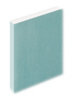
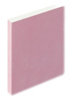
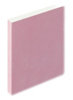
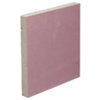
Plasterboard sheets are available in a variety of colours, each often signifying a specific function, making it easier to choose the right board for your project. Blue plasterboard is commonly used in standard wall and ceiling applications, providing a reliable, easy-to-finish surface suitable for most living spaces. Green plasterboard is moisture-resistant, ideal for bathrooms, kitchens, and utility rooms, helping prevent mould and damp in high-humidity areas. Pink plasterboard, also known as fire rated plasterboard, is designed to provide additional fire protection, making it perfect for kitchens, boiler rooms, stairwells, and other areas where enhanced safety is required. Using pink boards ensures compliance with building regulations while maintaining a smooth finish that’s easy to paint or wallpaper.
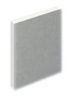
Grey plasterboard is often used for acoustic or soundproofing applications, helping to reduce noise transfer between rooms. This makes it ideal for bedrooms, home offices, and multi-storey properties where quieter environments are desired. Choosing plasterboard by colour not only simplifies identifying each board’s purpose on site but also ensures you select the right type for your environment. Whether you’re tackling a standard room, a wet area, or a fire-sensitive space, using coloured plasterboard allows for a clear, organised, and efficient installation process while achieving a durable, professional finish.
By Edge profile
Plasterboard comes in a variety of sizes and thicknesses to suit different wall and ceiling applications, making it easier to select the right boards for your project. Common sheet dimensions include 1800 x 900 plasterboard, which is ideal for smaller walls or confined spaces, and 1800mm plasterboard, a versatile size often used in bedrooms, utility rooms, and loft conversions. For larger areas, 2400mm plasterboard and 2400 x 1200 plasterboard sheets are popular, reducing the number of joints required and speeding up installation.
The thickness of plasterboard also varies depending on its intended use. 9.5mm plasterboard is typically used for ceilings or lightweight partitions, while 12.5mm plasterboard is standard for most walls, offering durability and stability. 15mm plasterboard is often used in partitions, high-impact areas, or rooms requiring improved fire or acoustic performance. Choosing the correct sheet size and thickness ensures a more efficient installation, minimises waste, and provides a strong, stable surface that’s easier to finish with jointing compound or tape.
Selecting plasterboard by size allows you to match the boards to your room dimensions and structural requirements, whether you’re tackling a small renovation, a full home build, or adding partitions. Using appropriately sized boards also reduces cutting and handling, helping to achieve a professional, seamless finish across all walls and ceilings.
By Size
Wallboard comes in a variety of sizes and thicknesses to suit different wall and ceiling applications, making it easier to select the right boards for your project. Common sheet dimensions include 1800 x 900 plasterboard, which is ideal for smaller walls or confined spaces, and 1800mm plasterboard, a versatile size often used in bedrooms, utility rooms, and loft conversions. For larger areas, 2400mm plasterboard and 2400 x 1200 plasterboard sheets are popular, reducing the number of joints required and speeding up installation.
The thickness of plasterboard also varies depending on its intended use. 9.5mm plasterboard is typically used for ceilings or lightweight partitions, while 12.5mm plasterboard is standard for most walls, offering durability and stability. 15mm plasterboard is often used in partitions, high-impact areas, or rooms requiring improved fire or acoustic performance. Choosing the correct sheet size and thickness ensures a more efficient installation, minimises waste, and provides a strong, stable surface that’s easier to finish with jointing compound or tape. Selecting plasterboard by size allows you to match the boards to your room dimensions and structural requirements, whether you’re tackling a small renovation, a full home build, or adding partitions. Using appropriately sized boards also reduces cutting and handling, helping to achieve a professional, seamless finish across all walls and ceilings.
FAQs
What types of plasterboard are best for bathrooms or kitchens?
For bathrooms and kitchens, selecting the right plasterboard is essential to prevent damp and maintain durability. Moisture-resistant plasterboard is ideal, as it can withstand higher humidity levels without warping or promoting mould growth. In some cases, fire-resistant or combined moisture-and-fire boards may also be beneficial, particularly near boilers or cookers. Choosing the correct type ensures your walls and ceilings remain strong and safe while providing a smooth surface for tiling, painting, or decorating. Using the appropriate plasterboard from a trusted brand helps achieve a long-lasting, professional finish in moisture-prone areas.
How do I choose the right plasterboard thickness for walls and ceilings?
Plasterboard thickness depends on the application and desired performance. 9.5mm is commonly used for ceilings, providing a lightweight option that is easy to handle. Standard walls typically use 12.5mm for stability and strength, while 15mm can be used in partitions, high-impact areas, or where fire or acoustic performance is required. Thicker boards reduce deflection and improve durability, while thinner boards are easier to cut and fit in tight spaces. Considering both wall and ceiling requirements ensures the right balance of strength, ease of installation, and overall finish for your project.
Can plasterboard be cut to size easily at home?
Yes, plasterboard is designed to be cut easily using simple tools such as a utility knife, T-square, and saw. For straight cuts, score along a marked line with a knife, snap the board cleanly, and trim the paper backing. Thicker boards may require additional support or a fine-toothed saw for precision. Cutting plasterboard at home allows you to fit boards to walls, ceilings, or awkward spaces without needing professional help. By carefully measuring, scoring, and trimming, you can achieve clean, accurate cuts suitable for jointing, finishing, and painting, making plasterboard a versatile solution for DIY projects.
What is the difference between square edge and tapered edge?
Square edge has flat edges, making it easier and faster to install but resulting in more visible joints that require filling. Tapered edge has a slight groove along the edges, allowing jointing compound to create smoother, nearly invisible seams. Tapered is ideal for high-quality finishes in modern homes, professional renovations, or areas where a flawless painted or wallpapered surface is desired. Square remains practical for simpler projects or partitions where speed is more important than a perfectly seamless finish. Choosing the right edge profile improves both installation and aesthetics.
Can plasterboard be used to hang heavy items like shelves or cabinets?
Plasterboard alone is not strong enough to support heavy items such as shelves, cabinets, or large TVs. To safely hang heavier objects, you’ll need to locate and fix directly into timber or metal studs behind the plasterboard. Alternatively, specialist fixings, such as wall anchors or toggle bolts, can distribute weight and reduce the risk of damage. Using the correct method ensures that both the plasterboard and your mounted items remain secure. For high-weight applications, always check the manufacturer’s recommendations and consider reinforcing walls to prevent sagging, cracking, or accidental collapse.
Drywall comes in a variety of types, each designed to meet specific construction and renovation requirements. Standard plasterboard is the most commonly used option for walls and ceilings, offering a smooth, paintable surface suitable for general living spaces. In areas with higher humidity, such as bathrooms and kitchens, moisture resistant plasterboard is ideal, helping to protect against damp and mould while maintaining a durable finish. Acoustic plasterboard is designed to reduce noise transfer between rooms, making it perfect for bedrooms, offices, or home cinemas.
Where fire safety is a concern, fire plasterboard provides extra protection, slowing the spread of flames in critical areas such as stairwells, kitchens, and around heating appliances. For DIY projects or smaller renovations, Handiboard plasterboard is lightweight and easy to handle, offering the same smooth finish as larger boards but with greater flexibility and convenience. Trusted brands like Gyproc plasterboard and Knauf plasterboard offer a range of high-quality boards in all these types, ensuring consistent strength, performance, and finish. Selecting the right type of plasterboard, along with a reputable brand, ensures your walls and ceilings are safe, long-lasting, and suitable for your specific environment, whether for a full build, refurbishment, or partitioning project.