
Sheds
Our extensive range of garden sheds comes in a selection of materials, styles and prices to suit your budget. There are so many shed sizes to choose from, whether you just need to store your garden tools or want a bigger space for a workshop. A small shed is perfect for storing garden tools, while a large shed provides extra space for bikes, furniture, or workshop projects, serving as a versatile garden storage shed. We have sheds with double doors for ease of access and a variety of construction types including overlap sheds, shiplap sheds and tongue & groove sheds. And with the option of an assembly service, your garden shed will be up without you having to lift a finger.
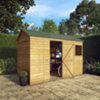
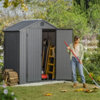
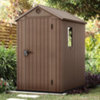
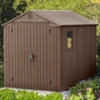
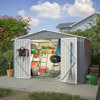
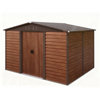
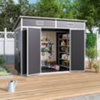
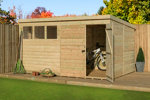


Showing 53 of 7,684 products
Ideas & Advice


Material Types
The material of your shed determines its durability, maintenance needs, and suitability for your garden. A plastic shed is lightweight, weather-resistant, and requires very little upkeep, making it a practical option for busy outdoor spaces. Sizes such as a 6x4 plastic shed or 8x6 plastic shed provide versatile storage for tools, garden furniture, or seasonal equipment. For greater strength and security, a metal shed offers robust construction that can withstand heavy winds and provide long-lasting protection, with popular sizes including a 6x4 metal shed and a 8x6 metal shed.
Traditional wooden sheds or timber sheds bring a natural aesthetic to gardens, blending seamlessly with plants and landscaping. Composite sheds combine the appeal of wood with the low maintenance of synthetic materials, offering durable storage without regular treatment. Aluminium sheds provide a modern, rust-resistant alternative, while resin sheds are lightweight, easy to assemble, and highly weatherproof. Choosing the right shed material ensures your outdoor storage remains secure, functional, and visually appealing. Whether you want a compact small shed for tools or a large shed for bikes and furniture, considering material type helps you balance longevity, maintenance, and garden style.
Structure Sizes
Choosing the right shed size is crucial to ensure it meets your storage needs while fitting comfortably in your garden. Smaller sheds, such as a 5x3 shed or 6x3 shed, are ideal for compact gardens or patios, providing just enough space for tools, pots, or small equipment. Medium-sized sheds, including a 7x5 shed, 6x5 shed, or 8x4 shed, offer more versatility and are perfect for storing bicycles, lawnmowers, and larger garden supplies.
Larger structures, such as an 8x5 shed, 8x8 shed, or 10x6 shed, provide ample room for hobby areas, workbenches, or bulkier storage. For extensive storage requirements, a 10x10 shed or 10x12 shed can accommodate multiple items while still maintaining a neat and organised outdoor space. Even a 6x6 shed or 12x8 shed can serve as a functional mini-workshop or secure space for furniture during the winter months. Selecting the right shed structure size balances functionality with garden aesthetics. A small shed works well for limited space and essential items, while a large shed can meet comprehensive storage needs or act as a multifunctional garden area. Measuring your available space and planning storage requirements ensures the chosen shed remains practical, accessible, and visually appealing.
Trusted Brands
Choosing a trusted shed brand ensures long-lasting quality, durability, and reliable performance in your garden. Popular shed brands offer a wide variety of designs, materials, and sizes to suit different outdoor storage needs. For low-maintenance options, the Keter shed and Lifetime shed provide modern resin and plastic designs that are weather-resistant and easy to assemble. Stylish and practical solutions can be found in the Outsunny shed and Birchtree shed, offering durable storage with contemporary looks. Traditional wooden storage is available from brands like Dunster House shed, BillyOh shed, and Marlborough shed, known for robust construction and timeless designs.
For versatile solutions, the Living and Home shed and Klikstrom shed offer compact or larger designs for tools, garden equipment, or workshop space. Timber and composite options are available from the Forest Garden shed and Waltons shed, built for durability and strength in outdoor conditions. For lightweight, low-maintenance storage, the Suncast shed offers a practical, easy-to-install solution. Whether you are looking for small sheds for garden tools or large sheds for bulky equipment and furniture, selecting any of these popular shed brands ensures reliability, security, and long-term performance. Each shed brand delivers a variety of materials, styles, and sizes to suit your garden and storage requirements, providing both practical and aesthetic benefits.
Popular Types
There are many shed types to suit different garden styles, storage needs, and personal preferences. Tongue and groove sheds are a popular choice for those seeking strong, interlocking wooden panels that offer both durability and a classic look. Shiplap sheds provide a neat, weather-resistant design, ideal for rear gardens or exposed areas. For compact gardens, lean to sheds or smaller units such as a 4x3 shed or 5x4 shed are practical options, offering essential storage without taking up too much space. Larger sheds, such as a 7x4 shed, 5x5 shed, 7x7 shed, or 12x6 shed, provide ample room for tools, bicycles, garden furniture, or even a small workspace.
Pent sheds are particularly versatile, featuring a sloping roof that makes them ideal for corner or side garden placement, while apex sheds maximise internal height and allow water to drain efficiently. Specialised options include a potting shed, perfect for gardening enthusiasts who need space for plants, soil, and tools. Colour can also define the style of your garden shed, with a grey shed and green shed blending naturally into outdoor surroundings. With a wide range of types, sizes, and finishes, there is a shed to suit every garden, storage requirement, and aesthetic preference.
FAQs
What size shed do I need for my garden?
Choosing the right shed size depends on what you plan to store and the available space in your garden. Smaller sheds, such as a 6x4 shed, are perfect for garden tools, bikes, or small equipment, taking up minimal space while keeping essentials organised. Medium and large sheds, such as an 8x6 shed or 10x8 shed, provide additional room for larger items like lawnmowers, furniture, or workshop areas. It’s important to measure your garden carefully, consider any paths or landscaping, and think about future storage needs. Selecting the correct size ensures your shed is practical, accessible, and fits your garden layout.
What is the best material for a shed?
The best shed material depends on your garden style, maintenance preferences, and storage requirements. A wooden garden shed offers a classic, natural look, can be painted or stained, and blends well with greenery, but requires regular treatment to prevent rot and insect damage. A plastic garden shed or resin garden shed is lightweight, weather-resistant, and low-maintenance, ideal for busy homeowners. A metal garden shed is highly secure, durable, and resistant to pests, but may require rust protection. A composite garden shed and aluminium options combine style with strength. Choosing the right material ensures your shed lasts for years while meeting practical storage needs.
Do I need a base for my shed?
Yes, a solid, level base is essential for every shed, regardless of size. A proper shed base prevents water from pooling underneath, protects against rot or rust, and keeps the shed stable, even during strong winds. Popular base options include concrete slabs, paving stones, or treated timber frames. Some sheds, like plastic Keter sheds, are lighter but still benefit from a firm foundation to maintain structural integrity. For guidance, our “How to build a shed base” guide explains measurements, materials, and installation tips. A well-prepared base ensures your shed remains safe, level, and long-lasting.
How do I maintain my shed?
Regular maintenance is key to prolonging the life of any shed. For wooden options, treat surfaces with a protective stain or paint to prevent rot and insect damage. Check the roof, doors, and panels for leaks, gaps, or loose nails, repairing as needed. Ensure the base remains level and free from standing water, weeds, or debris. For metal buildings, inspect for rust and apply protective coatings if required. Plastic or resin need minimal upkeep but should be cleaned occasionally to remove dirt and algae. Routine checks help keep your shed functional, secure, and visually appealing.
Do I need a permit to run electricity to my shed?
Yes, running electricity to a shed usually requires careful planning and may need approval. In the UK, any electrical work in outbuildings must comply with Part P of the Building Regulations, and some installations require notification to your local authority or approval from a certified electrician. Using a qualified professional ensures wiring is safe, avoids fire risks, and guarantees compliance with legal standards. Even small installations like lighting or outlets should be properly planned. Always consult your local council and hire a certified electrician when connecting electricity to a shed.
The material of your shed determines its durability, maintenance needs, and suitability for your garden. A plastic shed is lightweight, weather-resistant, and requires very little upkeep, making it a practical option for busy outdoor spaces. Sizes such as a 6x4 plastic shed or 8x6 plastic shed provide versatile storage for tools, garden furniture, or seasonal equipment. For greater strength and security, a metal shed offers robust construction that can withstand heavy winds and provide long-lasting protection, with popular sizes including a 6x4 metal shed and a 8x6 metal shed.
Traditional wooden sheds or timber sheds bring a natural aesthetic to gardens, blending seamlessly with plants and landscaping. Composite sheds combine the appeal of wood with the low maintenance of synthetic materials, offering durable storage without regular treatment. Aluminium sheds provide a modern, rust-resistant alternative, while resin sheds are lightweight, easy to assemble, and highly weatherproof. Choosing the right shed material ensures your outdoor storage remains secure, functional, and visually appealing. Whether you want a compact small shed for tools or a large shed for bikes and furniture, considering material type helps you balance longevity, maintenance, and garden style.