
Garden gates
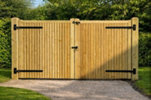
Garden gates provide both security and style, creating a welcoming entrance while helping to define your outdoor space. Available in a variety of materials, including wood, metal, or composite, a garden gate or a garden door can complement both traditional and modern gardens. Whether you're securing a side passage, marking the entrance to a path, or increasing privacy with a tall garden gate, a well-chosen gate adds function and curb appeal. Look for features such as lockable latches, weather-resistant finishes, and matching posts for a cohesive look.
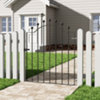
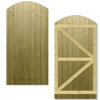
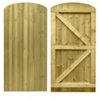


Showing 53 of 9,399 products
Ideas & Advice


By Material
Choosing the right material for garden gates plays a big role in how your outdoor space looks, feels and functions. Metal garden gates are a popular option where strength and security are a priority. They’re often chosen for front gardens, side access or boundary points, offering a sturdy, long-lasting solution that stands up well to regular use. Many metal designs are low maintenance and easy to keep looking smart over time.
For a more traditional appearance, wooden garden gates remain a firm favourite. They bring warmth and character to a garden and work well in both classic and modern settings. Closely related, timber garden gates are valued for their natural finish and versatility, with options that suit everything from cottage-style gardens to contemporary landscapes. Timber gates can be painted or stained to match fencing, decking or garden features, making them a flexible choice for cohesive design. If low maintenance is a top priority, plastic garden gates, also known as composite garden gates, are worth considering. These are designed to offer a clean, modern look while resisting weathering, fading and moisture. Composite materials are often chosen for busy households, rental properties or gardens where easy upkeep matters most. With a wide range of styles available, material choice makes it easier to balance appearance, durability and ongoing maintenance needs.
By Type
Garden gates come in a wide variety of styles, each suited to different layouts and uses. Driveway gates are typically designed to create a strong visual boundary while helping manage access to your property. They’re often wider and more substantial, making them ideal for front gardens or shared driveways. For everyday access between garden areas, fence gates are a practical choice, providing a simple way to move through sections of your outdoor space while keeping boundaries clear. Where flexibility is needed, foldable gates offer a clever solution. These are particularly useful in tighter spaces, allowing gates to open neatly without taking up too much room. For a more industrial or security-focused look, a palisade gate delivers a structured, robust appearance that works well alongside metal fencing.
In more traditional gardens, a feather edge gate is commonly paired with matching fencing, creating a cohesive and familiar look. Similarly, a tongue & groove gate offers a solid, panelled finish that enhances privacy and reduces gaps. If strength and durability are key concerns, a welded gate provides a rigid construction often chosen for side entrances, workshops or utility areas. With so many gate types available, it’s easy to find a design that fits both your garden layout and practical needs.
By Brand
Selecting a garden gate by brand can make it much easier to find the right style, finish and quality for your outdoor space. Each brand tends to offer distinctive ranges, from traditional timber gates to contemporary metal designs, allowing you to match your garden’s overall aesthetic. Popular choices include the Cheshire gate, well known for classic designs that complement cottage-style or heritage gardens. Their gates often feature sturdy timber construction and traditional finishes that suit a variety of outdoor spaces.
For those looking for gates that seamlessly coordinate with existing fencing, the Forest Garden gate is a reliable option, offering a wide range of timber and composite styles. If decorative detail is important, a Garden Sanctuary gate brings a more ornamental touch, ideal for landscaped areas or flower-filled gardens. Meanwhile, the Grange gate provides heritage-inspired designs that suit both modern and traditional layouts. For sophisticated outdoor areas, the Marlborough gate offers elegant panels and clean finishes. Panacea gates are perfect for those prioritising security or modern style, often crafted in strong metal with contemporary detailing. Finally, the Vidaxl gate delivers practical, budget-friendly options that work in both domestic and functional spaces. By considering brand, you can balance style, durability and investment, ensuring the gate complements your garden for years to come.
By Size
Choosing the right size for your garden gate is essential for both function and appearance. Smaller gates, like a 3ft garden gate, are perfect for decorative garden entrances, narrow pathways, or areas where space is limited. They provide a subtle division without making the garden feel closed off. A 4ft garden gate is one of the most versatile sizes, suitable for front gardens, internal garden sections, or side paths. It offers a practical solution for everyday access while complementing surrounding fencing and landscaping.
A 5ft garden gate gives slightly more height, offering a balance between privacy and accessibility. It works well in medium-sized gardens or as a secure entrance between outdoor areas. 6ft garden gates are commonly used for boundary points, side entrances, or driveways, providing additional privacy and a stronger visual presence. For larger gardens or properties with wide access points, a 7ft garden gate is ideal, offering both security and an impressive look without overwhelming the space. For the most substantial entrances, such as shared driveways or commercial-style entrances, an 8ft garden gate makes a bold statement while remaining practical for frequent use. When choosing the right size, consider the surrounding fencing, garden layout, and who will be using the gate. Proper measurements ensure a perfect fit, helping your gate look balanced, function effectively, and enhance the overall style of your outdoor space.
FAQs
What materials are best for garden gates?
The best material for a garden gate depends on your priorities, such as durability, maintenance, and style. Timber or wooden options offer a classic, natural look and can be painted or stained to suit your garden, but they may need regular upkeep to prevent weather damage. Metal gates are strong, low-maintenance, and ideal for security, while plastic or composite gates are resistant to rot and fading, making them perfect for low-maintenance solutions. Considering the material alongside your garden’s design, exposure to weather, and how often the gate will be used helps you make the right choice.
How do I measure my garden gate for the right size?
Measuring your garden gate correctly is essential to ensure it fits your space perfectly. Start by measuring the width between the posts or walls where the gate will sit, and allow a small gap on each side for hinges and movement. Next, measure the height based on the desired level of privacy and security. For angled or uneven ground, consider adjusting the height so the gate swings freely. It’s also important to check that the gate won’t block pathways or landscaping. Accurate measurements reduce installation issues and help you choose the correct gate size, from 3ft to 8ft options.
Can I install a garden gate myself, or do I need a professional?
Many garden gates can be installed as a DIY project if you have basic tools and some experience with measurements and fitting hinges. Smaller gates are usually lighter and easier to handle alone. Larger gates may require extra help to ensure they are level, secure, and swing correctly. Heavy metal or welded gates often need professional installation for safety and stability. If you’re unsure about fixing posts securely or handling a heavy gate, hiring a professional can save time and prevent potential damage to the gate or surrounding fencing.
How do I maintain my garden gate?
Maintaining your garden gate helps it last longer and keeps it looking good. For timber or wood, regular painting, staining, or sealing protects against moisture, rot, and fading. Metal may need occasional cleaning and anti-rust treatments, especially in exposed areas. Plastic or composite generally requires minimal upkeep, just occasional cleaning with soap and water. Hinges and latches should be checked and lubricated to ensure smooth operation, and any loose screws or bolts should be tightened promptly. A well-maintained gate not only looks better but also operates safely, prevents damage, and maintains security.
Can I customise a garden gate to match my fence or garden style?
Yes, most garden gates can be customised to suit your fencing and overall garden aesthetic. For timber or wooden gates, you can paint, stain, or varnish the wood to match your fence or create a contrasting feature. Panel styles, such as feather edge, tongue & groove, or decorative designs, can also be chosen to complement existing fencing. Metal gates can be powder-coated in various colours or fitted with decorative details to match your garden theme. Composite gates often come in neutral shades but can be enhanced with decorative hardware. Customisation ensures your gate is both functional and visually integrated into your outdoor space.
Choosing the right material for garden gates plays a big role in how your outdoor space looks, feels and functions. Metal garden gates are a popular option where strength and security are a priority. They’re often chosen for front gardens, side access or boundary points, offering a sturdy, long-lasting solution that stands up well to regular use. Many metal designs are low maintenance and easy to keep looking smart over time.
For a more traditional appearance, wooden garden gates remain a firm favourite. They bring warmth and character to a garden and work well in both classic and modern settings. Closely related, timber garden gates are valued for their natural finish and versatility, with options that suit everything from cottage-style gardens to contemporary landscapes. Timber gates can be painted or stained to match fencing, decking or garden features, making them a flexible choice for cohesive design. If low maintenance is a top priority, plastic garden gates, also known as composite garden gates, are worth considering. These are designed to offer a clean, modern look while resisting weathering, fading and moisture. Composite materials are often chosen for busy households, rental properties or gardens where easy upkeep matters most. With a wide range of styles available, material choice makes it easier to balance appearance, durability and ongoing maintenance needs.