
Mouldings
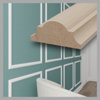
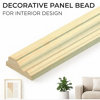
Decorative mouldings, or beading, can be used to enhance your room and create a stunning and unique finish to your space. Whether it’s a traditional look with a decorative wood trim moulding or a modern, sleek finish with wooden beading, you are looking to create, our range of moulding trim has everything you need to perfectly complete your space and take your interior design to the next level. Hide uneven walls or prevent scuffs on your walls with our wooden mouldings and wooden trim options, which are durable and can be painted or varnished to blend seamlessly into the background. Enhance the look of your home with our range of easy-to-install mouldings and beadings, the perfect way to add style to a blank wall.




Showing 48 of 552 products
By Profile
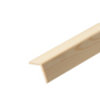
Choosing a moulding trim by their profile shape is one of the easiest ways to get the right finish for your project, whether you’re upgrading wall panelling, framing doors and windows, or adding subtle edging trims around flooring. Different profiles create completely different looks, and this section guides shoppers toward the most popular shapes across our timber mouldings range. If you're after clean, contemporary lines, explore our angled beading, ideal for sharp, modern detailing. Decorative finishes are easy to achieve with an astragal moulding or elegant cove moulding, both perfect for adding shape and depth to otherwise flat surfaces.
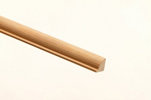
If you’re working on window restoration, glass bead moulding provides strong, neat retention for panes while keeping the look traditional. Classic interior upgrades such as skirting and architrave pairs often benefit from the rounded detail found in ogee moulding and ovolo moulding profiles, both known for their smooth curves and period‑style finish. For flooring edges, quadrant beading is a go‑to choice, offering a simple, reliable way to bridge gaps between walls and floors. If you prefer a more refined shadow line at floor level, scotia beading is a popular solution, particularly for laminate installations where expansion gaps require coverage without bulk. For uPVC flooring or bathroom projects, you can also browse the matching uPVC quadrant moulding, which offers a moisture‑resistant alternative. Across all these shapes, you’ll find a huge range of wood trims, decorative mouldings and beading options designed to help achieve crisp, polished results in any room.
By Material
Choosing mouldings or beading by material helps you match durability, finish, and budget to the project you’re working on. Whether you’re upgrading wall panelling, adding decorative edging, or replacing older wood trims, different materials offer very different benefits. For a premium, natural appearance, explore our hardwood mouldings, ideal for customers who want long‑lasting strength and a finish that can be sanded, stained or oiled to suit traditional interiors. If you’re working on painted schemes or panelling projects, MDF mouldings provide a smooth surface that’s easy to prime and coat, making them a reliable choice for crisp, modern colour finishes.
For homeowners looking to highlight natural grain patterns, oak mouldings bring warmth and character, pairing beautifully with engineered wood floors or classic joinery styles. Lighter décor schemes and budget‑friendly DIY projects often benefit from pine mouldings, which are easy to work with, lightweight, and suitable for both clear varnish and paint. If moisture resistance is a priority, especially in bathrooms, utility rooms or anywhere near condensation‑prone windows, uPVC mouldings offer a practical alternative to timber, with low maintenance needs and a clean, reliable finish. Across all materials, you’ll find a wide choice of decorative mouldings, beading profiles and edging trims designed to help you achieve a polished, cohesive look throughout your home. Each material brings its own aesthetic and functional advantages, making this section ideal for narrowing down the best fit for your space.
By Size
Choosing a decorative wood trim moulding by thickness helps you achieve the perfect fit and finish for wall panelling, flooring edges, window surrounds or detailed joinery. The right depth ensures profiles sit flush, align cleanly with existing skirting, and provide the level of definition you want. For more substantial decorative trims, browse our 18mm beading options, ideal for bolder beading or deeper timber mouldings that add strong visual structure. If you prefer slimmer detailing, our 9mm beading options provide a neat, contemporary look, perfect for capping panelling or creating subtle edging without excess projection.
For mid‑range versatility, explore 12mm beading options, a popular choice for tidy transitions around furniture, shelving and interior casings, offering a balance of strength and subtlety. When working with classic timber trims or decorative profiles that need extra presence, a 20mm beading or a 25mm beading helps create deeper shadow lines and more pronounced character — especially useful for heritage-inspired finishes. For lightweight tasks or minimalist interiors, 6mm beading and 8mm beading options offer delicate edging while remaining easy to cut and install. Finally, if your project calls for larger, robust solutions such as flooring borders or substantial panel frames, our 30mm beading options deliver maximum depth and stability. No matter the thickness, this section brings together practical beading, decorative mouldings, edging trims and timber profiles to help you achieve a polished, well‑aligned finish across any room.
By Style & Finish
Exploring mouldings by style and finish helps you shape the overall character of your room, whether you're aiming for crisp modern lines or a more traditional decorative look. Colour choice in particular can transform the mood of a space. For bold or contemporary interiors, a black moulding creates a strong contrast and pairs beautifully with monochrome palettes, industrial décor and sleek furniture. For brighter rooms or subtle transitions between walls and trims, a white moulding delivers a clean, timeless finish that complements everything from minimalist walls to classic cabinetry.
If you're planning to paint your mouldings, primed beading saves valuable prep time and helps achieve a smooth, even topcoat. They’re particularly popular for wall panelling kits, door frames and bespoke joinery where detail and consistency matter. For contemporary spaces, a modern moulding offers streamlined shapes and soft curves ideal for clean architectural lines, alcove builds and understated beading. For period homes or interiors inspired by classic detailing, Victorian mouldings bring character, shaping edges with graceful contours and elegant decorative profiles. These styles work especially well alongside traditional doors, cast iron radiators or deep skirting boards. Across all finishes, you’ll find a broad selection of wood trims, decorative mouldings, edging profiles and beading designed to elevate your interior styling. This tab helps shoppers match each trim not only to their project needs but also to the overall atmosphere they want to create.
FAQs
What is scotia moulding used for?
Scotia trim is mainly used to conceal the expansion gap between flooring and skirting boards, creating a clean, professional transition. It’s commonly installed with laminate or engineered floors because it hides gaps while still allowing the boards to expand naturally. Scotia can also be fitted around kitchen plinths, stair edges or built‑in furniture where a slim, curved trim delivers a subtle finish. It’s an affordable, simple way to sharpen the overall look of any interior space.
What’s the difference between quadrant and scotia?
Quadrant and scotia are both used to cover edges and gaps, but their profiles differ. Quadrant has a quarter‑circle shape, making it ideal for neat corner detailing, shelving and furniture trims. Scotia has a concave curve that sits slightly taller, creating a more pronounced shadow line — which is why it’s preferred for flooring installations. In general, scotia suits floor‑to‑skirting transitions, while quadrant is more multipurpose across interior edging and decorative finishing jobs.
How do I choose the right moulding thickness?
Choosing moulding thickness depends on the finish you want and how the trim needs to sit against walls, doors or skirting. Slim profiles (6–12mm) give a minimal, modern feel and suit simple panel borders or delicate edging. Mid‑range sizes like 18–25mm offer more depth for feature walls, frames and architectural detailing. Thick profiles (30mm+) create bold shadows or cover uneven surfaces. Matching thickness to nearby trims helps everything align cleanly for a professional result.
Can you paint uPVC mouldings?
Yes, a uPVC trim can be painted, but correct preparation is essential. Start by cleaning the surface thoroughly, then lightly sand it to reduce the glossy top layer. Apply a specialist uPVC or multi‑surface primer to ensure good adhesion. Satin and eggshell paints generally provide the most natural‑looking finish on plastic. Once painted, uPVC options hold colour well if properly primed, but pre‑coloured versions remain a low‑maintenance alternative for bathrooms and high‑moisture areas.
What's the best material for mouldings in humid rooms?
In humid or moisture‑prone rooms such as bathrooms or utility spaces, uPVC options are the most reliable choice because they won’t warp, swell or absorb condensation. They remain stable around sinks, showers and windows. Hardwood can also perform well if properly sealed, but MDF is not recommended in damp conditions. If you want a painted finish, choose primed uPVC or moisture‑resistant timber and ensure all edges are sealed during installation for long‑lasting performance.
What’s the easiest moulding to install for beginners?
MDF and pine trims are the easiest for beginners because they’re lightweight, forgiving to cut and straightforward to paint. Slim, simple profiles require fewer complex mitres and are ideal for basic panelling or edging jobs. Quadrant and scotia options are also beginner‑friendly, as they naturally follow corners and flooring lines. Many smaller mouldings can be fitted using adhesive rather than nails, reducing the risk of splitting and making installation quicker and more approachable for DIYers.
Choosing a moulding trim by their profile shape is one of the easiest ways to get the right finish for your project, whether you’re upgrading wall panelling, framing doors and windows, or adding subtle edging trims around flooring. Different profiles create completely different looks, and this section guides shoppers toward the most popular shapes across our timber mouldings range. If you're after clean, contemporary lines, explore our angled beading, ideal for sharp, modern detailing. Decorative finishes are easy to achieve with an astragal moulding or elegant cove moulding, both perfect for adding shape and depth to otherwise flat surfaces.
If you’re working on window restoration, glass bead moulding provides strong, neat retention for panes while keeping the look traditional. Classic interior upgrades such as skirting and architrave pairs often benefit from the rounded detail found in ogee moulding and ovolo moulding profiles, both known for their smooth curves and period‑style finish. For flooring edges, quadrant beading is a go‑to choice, offering a simple, reliable way to bridge gaps between walls and floors. If you prefer a more refined shadow line at floor level, scotia beading is a popular solution, particularly for laminate installations where expansion gaps require coverage without bulk. For uPVC flooring or bathroom projects, you can also browse the matching uPVC quadrant moulding, which offers a moisture‑resistant alternative. Across all these shapes, you’ll find a huge range of wood trims, decorative mouldings and beading options designed to help achieve crisp, polished results in any room.