
Plywood
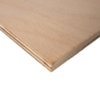
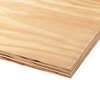
Plywood is an engineered wood made from multiple layers of thin veneer that are adhered together. Each adjacent layer is rotated by up to 90 degrees to reduce the risk of splitting when nailed in at the edges. This 'cross-graining' technique also improves strength, stability and prevents warping, making it an excellent general-purpose construction panel. At B&Q, we only buy responsibly sourced wood, so all of our plywood sheets are CE and FSC certified. Shop all things plywood board and plywood sheet online today.
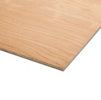
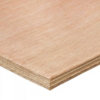


Showing 48 of 1,695 products
By Type
Choosing a plywood board by timber type is one of the best ways to ensure your sheet material delivers the right balance of durability, appearance and performance for your project. If you're working on furniture, cabinetry or any build where the finish is visible, hardwood is the ideal choice. Its denser structure gives it a smoother surface and greater strength, making it reliable for shelving, cupboards, panelling and decorative joinery. Start exploring with hardwood plywood, or choose specific sizes such as 12mm hardwood plywood or 18mm hardwood plywood for heavier loads. For lightweight general-purpose DIY, softwood is a cost-effective and versatile option. Its lighter structure makes it easy to handle and perfect for substructures, boxing-in, framing, and temporary works. Explore softwood plywood or try thinner variations such as 1mm softwood plywood for craft, modelling and curved surface work.
If your project requires both durability and moisture resistance, many customers choose hardwood marine plywood for long-lasting performance. This combination of timber strength and exterior-grade bonding makes it suitable for wet rooms, utility spaces and exposed areas. Consider hardwood marine plywood boards when you need extra peace of mind. Whether you're building furniture, reinforcing a structure or creating smooth interior finishes, selecting plywood by timber type helps you refine your shortlist quickly. From premium hardwood boards to economical softwood sheet wood, you can fine-tune your options before choosing the right thickness or material grade for your specific build.
By Size
Choosing a plywood sheet by thickness is essential for achieving the right strength, rigidity and flexibility in any DIY or construction project. Thinner sheets are ideal for lightweight tasks, curved applications and decorative finishes, while thicker boards provide the support needed for load-bearing structures, floors and work surfaces. If you're working on small decorative features or tight bends, start with 3.6mm plywood, which offers excellent flexibility. For slightly more strength without adding bulk, 4mm plywood and 5mm plywood are great for panelling and internal linings. For everyday home improvement, thicknesses such as 6mm plywood sheets, 9mm plywood and 12mm plywood provide reliable stability. These are ideal for shelving, cupboard carcasses, boxing-in pipework, loft projects and DIY furniture. They strike a great balance between weight and rigidity, making them among the most popular sheet materials for household builds.
For heavy-duty construction and floor reinforcement, opt for 15mm plywood, 18mm plywood or 25mm plywood. These thicker sheets reduce flexing and ensure high load capacity, which is especially important for subfloors, workshop benches, loft boarding and larger joinery pieces. Their durability also makes them suitable for supporting fixtures and fixings without splitting. Using thickness to filter your plywood selection ensures that every panel, board or timber sheet you choose performs as expected. Whether you're tackling detailed interior projects or robust structural work, selecting the right size will help you achieve a professional, long-lasting finish.
By Material
Filtering plywood by material helps you match the sheet to the conditions your project will face—whether that’s interior use, decorative work, structural builds or exposure to moisture. If you need an all-round option for general DIY, standard plywood boards are the most versatile choice. They’re available in a wide range of thicknesses, making them suitable for furniture carcasses, boxing-in, wall linings and internal joinery. For projects where a premium finish is important, birch is a favourite thanks to its smooth edges, attractive grain and superior strength. Explore birch plywood or opt for a thicker format such as 18mm birch plywood for shelves, furniture frames and decorative installations. Birch is especially popular among makers and DIY enthusiasts seeking a crisp, clean aesthetic.
If your project involves outdoor areas, damp environments or high-humidity zones, marine options ensures long-term reliability. Its enhanced moisture resistance makes it suitable for bathrooms, utility rooms, garden structures and external cladding. Begin with marine plywood sheets or choose specific sizes such as 6mm marine plywood, 9mm marine plywood or 12mm marine plywood when you need added rigidity outdoors. Whatever your requirements—from smooth decorative panels to heavy-duty, weatherproof timber boards—browsing plywood by material makes it easy to find the right sheet for lasting, reliable results.
FAQs
What thickness of plywood should I use for shelving?
For most shelving, 18mm plywood boards offers the ideal combination of rigidity and load‑bearing ability. It prevents sagging, especially across wider spans, and provides a strong base for books or household storage. For light decorative shelves, 12mm plywood boards may be suitable, while heavy‑duty shelving can benefit from 25mm plywood boards. Always consider the weight you expect to store, the fixing method, and the distance between supports when selecting the best thickness for your project.
Is marine plywood worth it for outdoor projects?
Marine plywood is suitable for outdoor, damp or moisture‑heavy environments because it resists swelling, delamination and long‑term structural weakening. Its waterproof adhesive and stable core layers make it ideal for garden buildings, bathrooms, external cladding and utility spaces. While standard plywood can work outdoors with proper sealing, marine options last significantly longer and reduce maintenance needs. If your project is exposed to weather or humidity fluctuations, marine ply is generally the most reliable choice.
What’s the difference between hardwood and softwood plywood?
Hardwood ply is made from denser timber species, providing superior strength, excellent screw‑holding and a smooth finish ideal for furniture making or visible joinery. Softwood ply is lighter, more economical and well‑suited to structural projects such as framing, subfloors and general DIY. Choose hardwood when appearance and durability matter most, and softwood when practicality and affordability are the priority. Both types come in a variety of thicknesses to suit different types of builds and performance needs.
Can plywood be used as flooring?
Yes, plywood is frequently used as a strong and stable subfloor material. Thicknesses of 18mm or 25mm reduce flexing and provide an excellent base for vinyl, carpet, laminate or engineered wood. It is particularly useful when reinforcing old floorboards or levelling uneven surfaces. In areas exposed to moisture, using moisture‑resistant or marine plywood offers added protection. When installed properly with secure fixings, plywood flooring delivers reliable, long‑lasting structural support.
How do I stop plywood from warping?
To prevent warping, store plywood sheets flat and fully supported, avoiding upright leaning that can cause bowing. Keep boards in a dry, stable environment and away from direct moisture before installation. Sealing all faces and edges with primer, varnish or paint helps protect against humidity changes. When fitting, use evenly spaced fixings and leave a small expansion gap. Thicker plywood and controlled indoor conditions both help maintain long‑term stability and minimise distortion.
What size are standard plywood sheets?
Standard plywood sheets typically measure 2440mm x 1220mm (8ft x 4ft), a size widely used across construction, flooring and furniture-making projects. These dimensions offer excellent versatility and minimise waste during cutting. Many materials are also available in alternative or project‑sized formats depending on supplier. Thicknesses usually range from 3.6mm up to 25mm or more, allowing you to select the right balance of strength, weight and flexibility for your specific task.
Choosing a plywood board by timber type is one of the best ways to ensure your sheet material delivers the right balance of durability, appearance and performance for your project. If you're working on furniture, cabinetry or any build where the finish is visible, hardwood is the ideal choice. Its denser structure gives it a smoother surface and greater strength, making it reliable for shelving, cupboards, panelling and decorative joinery. Start exploring with hardwood plywood, or choose specific sizes such as 12mm hardwood plywood or 18mm hardwood plywood for heavier loads. For lightweight general-purpose DIY, softwood is a cost-effective and versatile option. Its lighter structure makes it easy to handle and perfect for substructures, boxing-in, framing, and temporary works. Explore softwood plywood or try thinner variations such as 1mm softwood plywood for craft, modelling and curved surface work.
If your project requires both durability and moisture resistance, many customers choose hardwood marine plywood for long-lasting performance. This combination of timber strength and exterior-grade bonding makes it suitable for wet rooms, utility spaces and exposed areas. Consider hardwood marine plywood boards when you need extra peace of mind. Whether you're building furniture, reinforcing a structure or creating smooth interior finishes, selecting plywood by timber type helps you refine your shortlist quickly. From premium hardwood boards to economical softwood sheet wood, you can fine-tune your options before choosing the right thickness or material grade for your specific build.