
Skirting board
Skirting boards, also known as baseboards, cover the lowest part of the walls in your home and provide a perfect decorative finish to your room, whilst also protecting your walls from kicks and scuffs. We have a variety of skirting profiles to help you find the perfect finish for your home. If you are looking for a specific finish for your home, most options can easily be painted, or if you want to save yourself a job, we sell options that are already painted and finished. You need not be daunted by the task of fitting new skirting boards, as our range is really easy to install and can be attached to your wall easily with adhesives and screws and has the durability to deal with whatever life throws at them. From a deep skirting board to mini skirting, find what you're looking for online today.
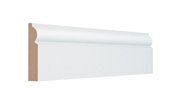
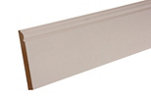
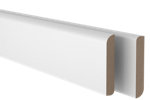
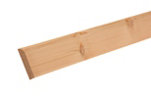
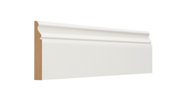
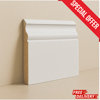
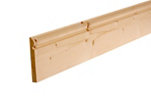
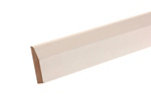
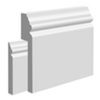


Showing 48 of over 10,200 products
Ideas & Advice


Edge profile
Skirting comes in a wide variety of edge profiles, each designed to enhance the style and functionality of your interiors. A bullnose skirting features a smooth, rounded edge, giving a traditional and elegant look, while a rounded skirting or torus skirting adds soft, decorative detailing that subtly highlights the wall-to-floor transition. For contemporary or minimalist spaces, square skirting and chamfered skirting provide clean, sharp lines that suit modern furniture and décor.
More ornate profiles, such as an ogee skirting, ovolo skirting, or lambs tongue skirting, introduce elegant curves and intricate detailing, making them ideal for period properties, feature rooms, or heritage-style renovations. A bevelled skirting offers angular accents that add visual interest and help define the space, while a dual profile skirting combines two edge styles in one, giving maximum design versatility.
Choosing the right skirting profile affects both aesthetics and practicality. Curved profiles like bullnose, rounded, or torus skirting soften room edges and can hide minor wall imperfections. Square, chamfered, or bevelled skirting creates a sleek, modern feel, while decorative ogee, ovolo, and lambs tongue options serve as a design feature in traditional interiors. Considering ceiling height, flooring style, and room proportion ensures your skirting balances elegance, function, and style, completing a polished finish in every space.
Materials
Shop for skirting in a variety of materials, each offering different benefits in terms of durability, style, and finish. MDF skirting is popular for its smooth surface, affordability, and ease of painting, making it perfect for modern interiors and quick home updates. Pine skirting and redwood skirting are natural softwoods, offering a warm, traditional look that can be painted or stained to match décor. Oak skirting and solid oak skirting provide a premium, durable option with natural grain and character, ideal for high-traffic areas or period homes.
For cost-effective and low-maintenance solutions, PVC skirting and uPVC skirting are water-resistant and ideal for kitchens, bathrooms, or damp areas. Hardwood options like hardwood skirting board are stronger and longer-lasting than softwoods, offering a robust finish in both modern and traditional interiors. Similarly, softwood skirting board is lightweight, easy to work with, and provides a natural look.
A wood skirting board remains a versatile choice for all room styles, easily painted, stained, or left natural. Choosing the right material depends on room usage, exposure to moisture, desired style, and budget. Combining aesthetics with practicality ensures skirting enhances the room while protecting walls from knocks, scuffs, and general wear. The right material also affects ease of installation, maintenance, and long-term durability, helping your interiors look polished and finished.
Colour & finishes
Skirting is available in a wide range of colours and finishes, allowing you to tailor your walls and flooring to your personal style. A white skirting board provides a classic, clean finish that complements most interiors, from traditional to modern. For a bold, contemporary look, a black skirting board adds contrast and drama, while a brown skirting board creates warmth and a natural, cosy feel. If you prefer the natural beauty of timber, a natural skirting board highlights the wood grain and texture.
Skirting can come primed or fully finished to suit your project. A primed skirting board provides a smooth base ready for painting, allowing you to match your décor precisely, while a fully finished skirting board is pre-painted or pre-stained, saving time and effort during installation. Alternatively, an unfinished skirting board gives complete flexibility for custom staining or painting.
Choosing the right colour and finish balances style, practicality, and ease of maintenance. Lighter colours like white make rooms appear larger and brighter, whereas darker or natural finishes add depth and warmth. Fully finished skirting is ideal for fast installations, while primed or unfinished skirting allows for complete customisation to suit your interior vision. The right finish not only enhances the aesthetic but also protects the skirting from knocks, moisture, and daily wear.
Sizes
Skirting is available in various sizes, giving you flexibility to match your room’s proportions, ceiling height, and interior style. The thickness of skirting boards can affect both their durability and visual impact. Slimmer options, such as a 14.5mm skirting board or 15mm skirting board, are ideal for minimalist or modern spaces, creating a subtle, clean edge along walls. For rooms that see more wear or require a stronger finish, thicker boards like an 18mm skirting board or 25mm skirting board provide a robust, long-lasting solution that can protect walls from knocks and scuffs.
The width of skirting also contributes to the room’s overall look. Narrower boards, such as a 100mm skirting board, are suited to smaller rooms or spaces with lower ceilings, while wider options like 120mm skirting board, 150mm skirting board, and 170mm skirting board create a more dramatic effect, ideal for larger rooms or tall ceilings.
Choosing the right combination of thickness and width ensures your skirting is both functional and visually appealing. Thicker, taller skirting adds a sense of proportion and elegance, while thinner, narrower boards suit modern, understated interiors. Considering wall height, room size, and style ensures your skirting enhances the overall design while providing practical protection and finishing touches.
FAQs
How do I measure walls for skirting boards?
Measuring walls accurately is key to buying the correct length of skirting boards and avoiding waste. Start by measuring the total linear wall length where skirting will be fitted, including alcoves or recesses. Use a tape measure, noting each section individually, and add a small allowance for corner joints or mitred edges. For uneven walls, measure at multiple points to ensure the boards will sit flush. If possible, record the measurements on paper or a digital note to bring when purchasing your skirting. Accurate measurements save time and help ensure a seamless, professional finish.
Can I fit skirting boards myself or should I hire a professional?
Many DIYers can fit skirting boards themselves with the right tools, patience, and preparation. Essential tools include a saw, mitre box, spirit level, hammer or nail gun, and adhesive. If walls are uneven, corners are tricky, or you’re using ornate profiles, a professional may achieve a neater finish. DIY fitting is cost-effective and rewarding, but requires careful measuring, cutting, and fixing. Hiring a professional guarantees precision, especially for high-end skirting or difficult layouts. Ultimately, your confidence, experience, and the complexity of the job will determine whether DIY or professional fitting is best.
Do I need to paint skirting boards before or after fitting?
Skirting boards can be painted before or after installation, depending on preference and style. Painting before fitting ensures full coverage and makes finishing easier, especially on decorative profiles. However, you’ll still need to touch up edges and corners once installed. Painting after fitting allows you to seal joints neatly against walls and fill gaps with caulk or filler, producing a polished look. For MDF or primed boards, sanding lightly before painting improves adhesion. Using a quality primer and paint ensures durability and easy cleaning, protecting the skirting from knocks, scuffs, and daily wear.
How do I cut skirting boards to fit corners accurately?
Cutting skirting boards for corners requires precision to achieve neat joints. For internal corners, use a mitre box to cut boards at a 45-degree angle so they meet flush. For external corners, the angles may vary slightly, so measuring carefully is essential. If walls are uneven, scribe the board’s edge to match the contour. Using a fine-toothed saw helps prevent chipping, especially on MDF or painted boards. Dry-fitting boards before final installation allows adjustments. For angled walls or complex layouts, a coping saw can create precise joints, ensuring a seamless finish between boards.
Can I install skirting boards over existing flooring?
Yes, skirting boards can often be fitted over existing flooring, but the floor type and height need consideration. Ensure the skirting sits flush against the wall while leaving clearance for carpets, laminate, or underlay. Using a thinner board or adjusting the wall-side cut may be necessary for a neat fit. Boards can be nailed, screwed, or adhered with construction adhesive depending on wall type. Installing over flooring saves time compared to removing old boards, but careful measuring is essential to avoid gaps or uneven joints. For uneven floors, use flexible caulk or trim to finish the base neatly.
Skirting comes in a wide variety of edge profiles, each designed to enhance the style and functionality of your interiors. A bullnose skirting features a smooth, rounded edge, giving a traditional and elegant look, while a rounded skirting or torus skirting adds soft, decorative detailing that subtly highlights the wall-to-floor transition. For contemporary or minimalist spaces, square skirting and chamfered skirting provide clean, sharp lines that suit modern furniture and décor.
More ornate profiles, such as an ogee skirting, ovolo skirting, or lambs tongue skirting, introduce elegant curves and intricate detailing, making them ideal for period properties, feature rooms, or heritage-style renovations. A bevelled skirting offers angular accents that add visual interest and help define the space, while a dual profile skirting combines two edge styles in one, giving maximum design versatility.
Choosing the right skirting profile affects both aesthetics and practicality. Curved profiles like bullnose, rounded, or torus skirting soften room edges and can hide minor wall imperfections. Square, chamfered, or bevelled skirting creates a sleek, modern feel, while decorative ogee, ovolo, and lambs tongue options serve as a design feature in traditional interiors. Considering ceiling height, flooring style, and room proportion ensures your skirting balances elegance, function, and style, completing a polished finish in every space.